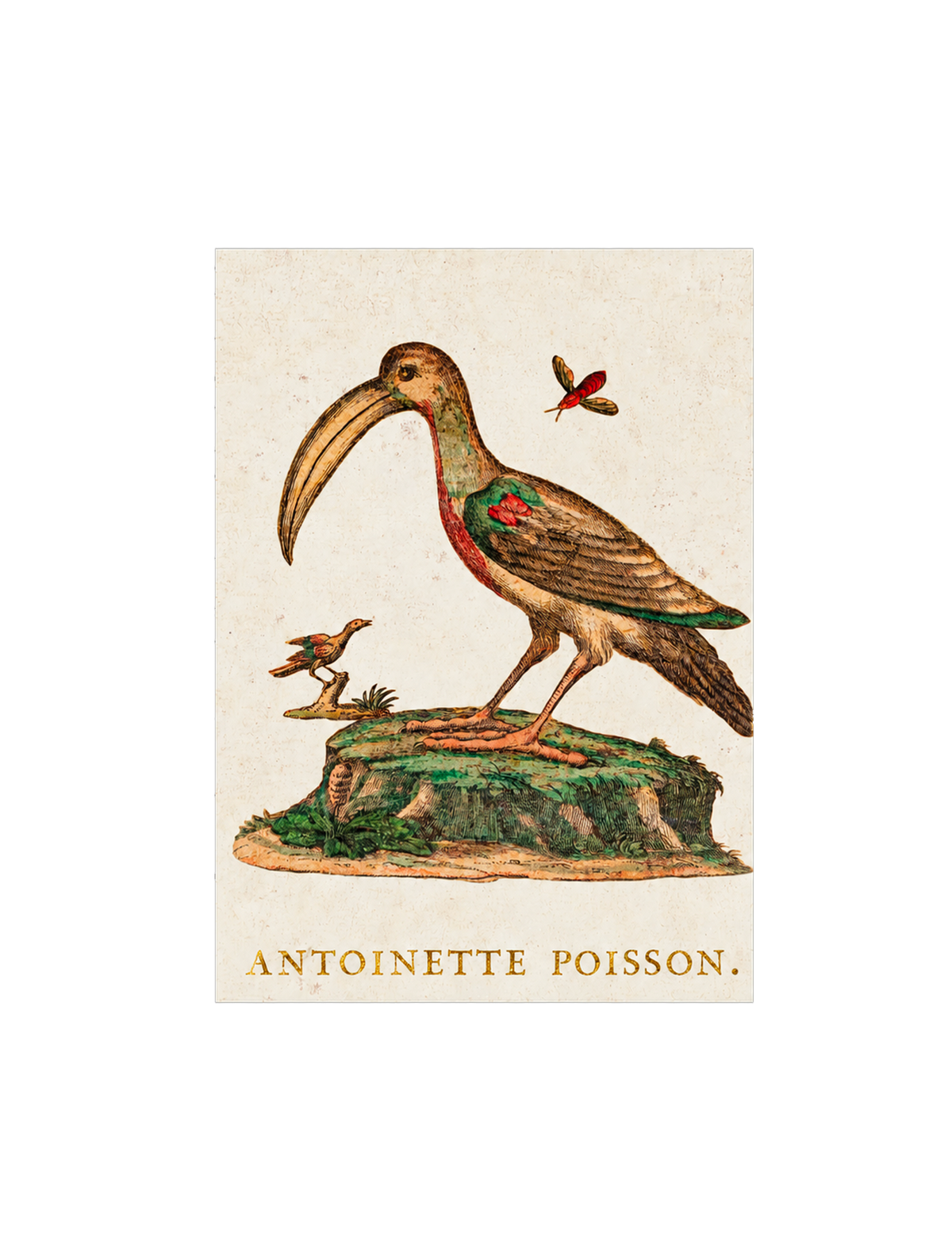
Literally translated as «poor art,» the term Arte Povera refers to a category of polychrome furniture produced in the 18th century, unrelated to the contemporary art movement of the same name.
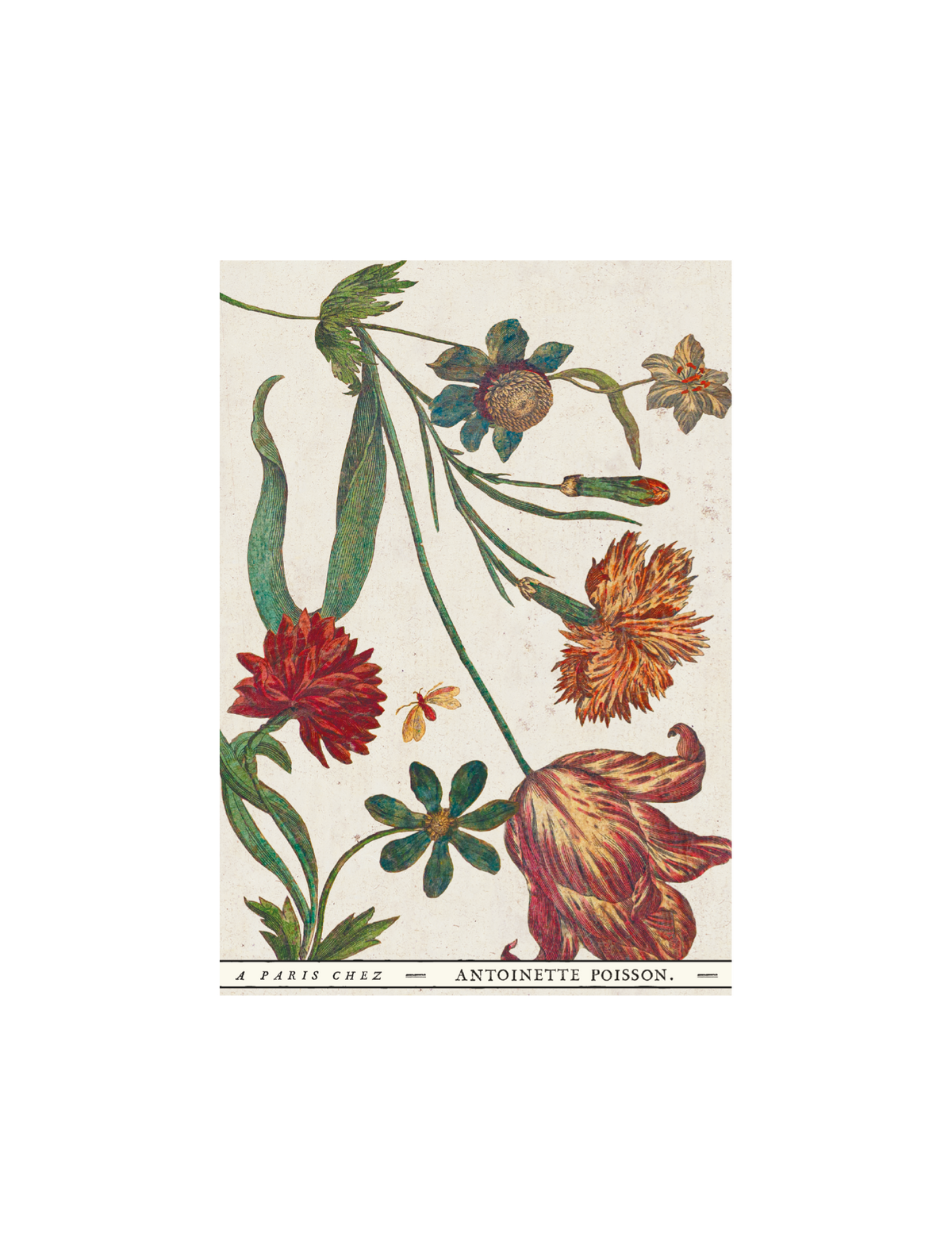
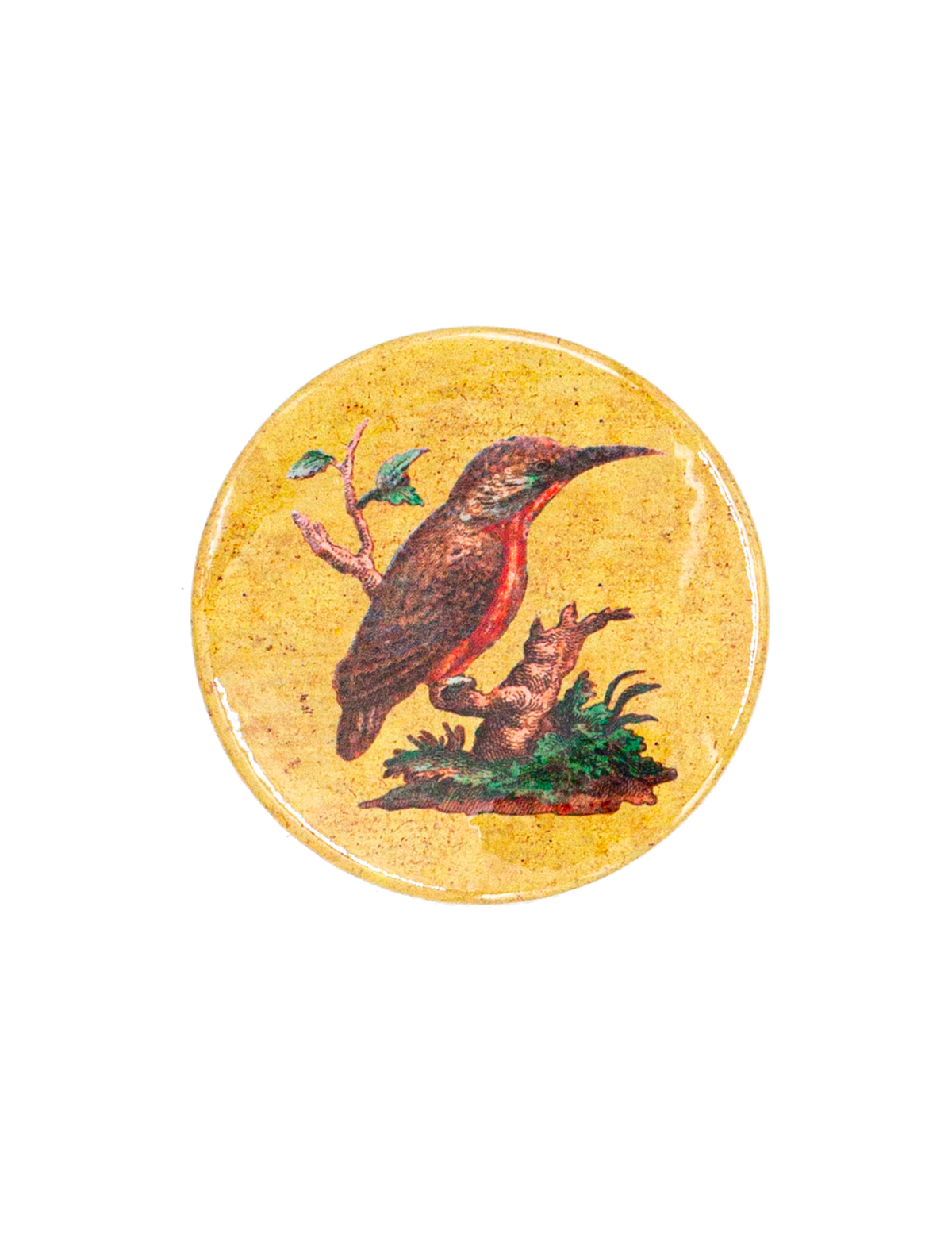
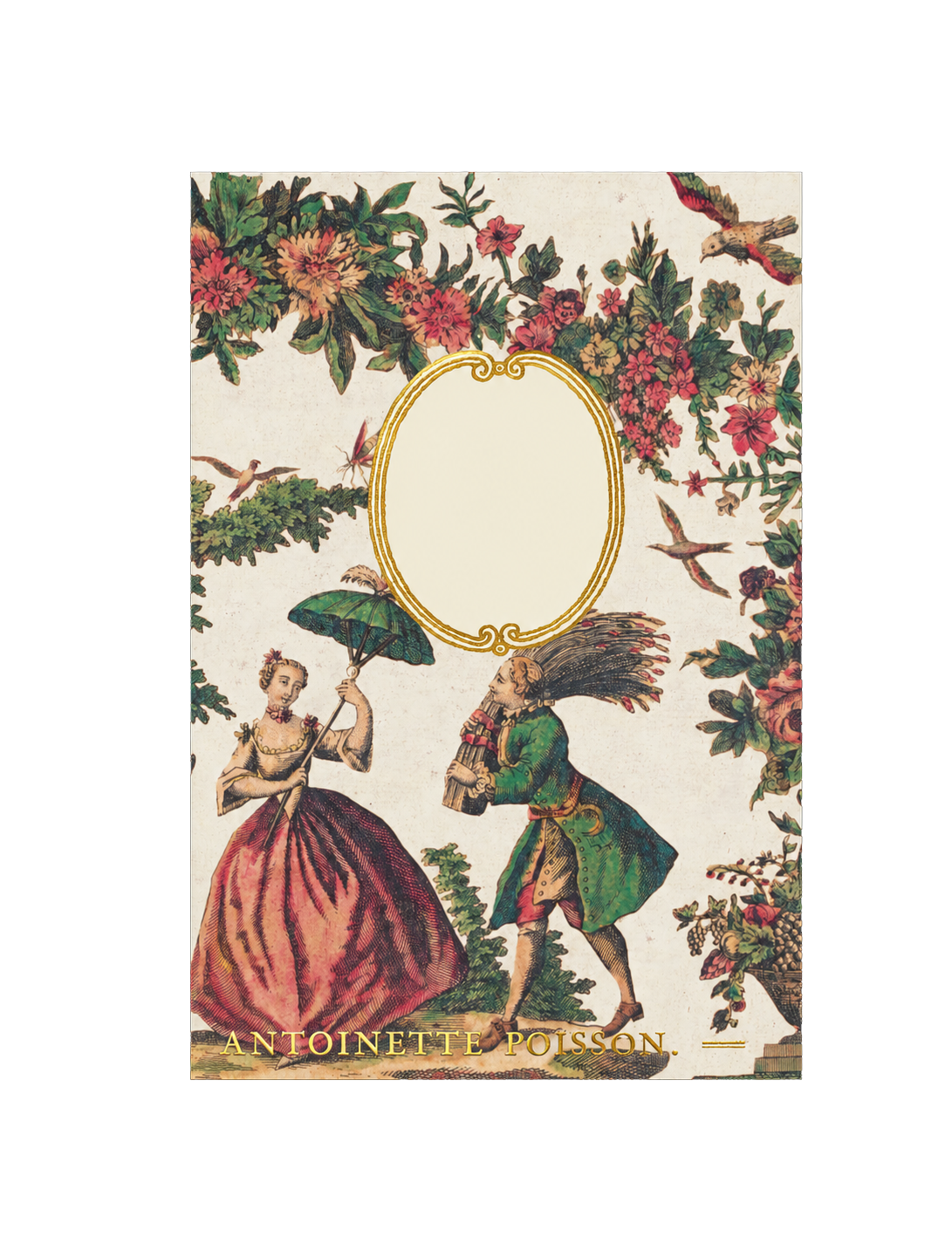
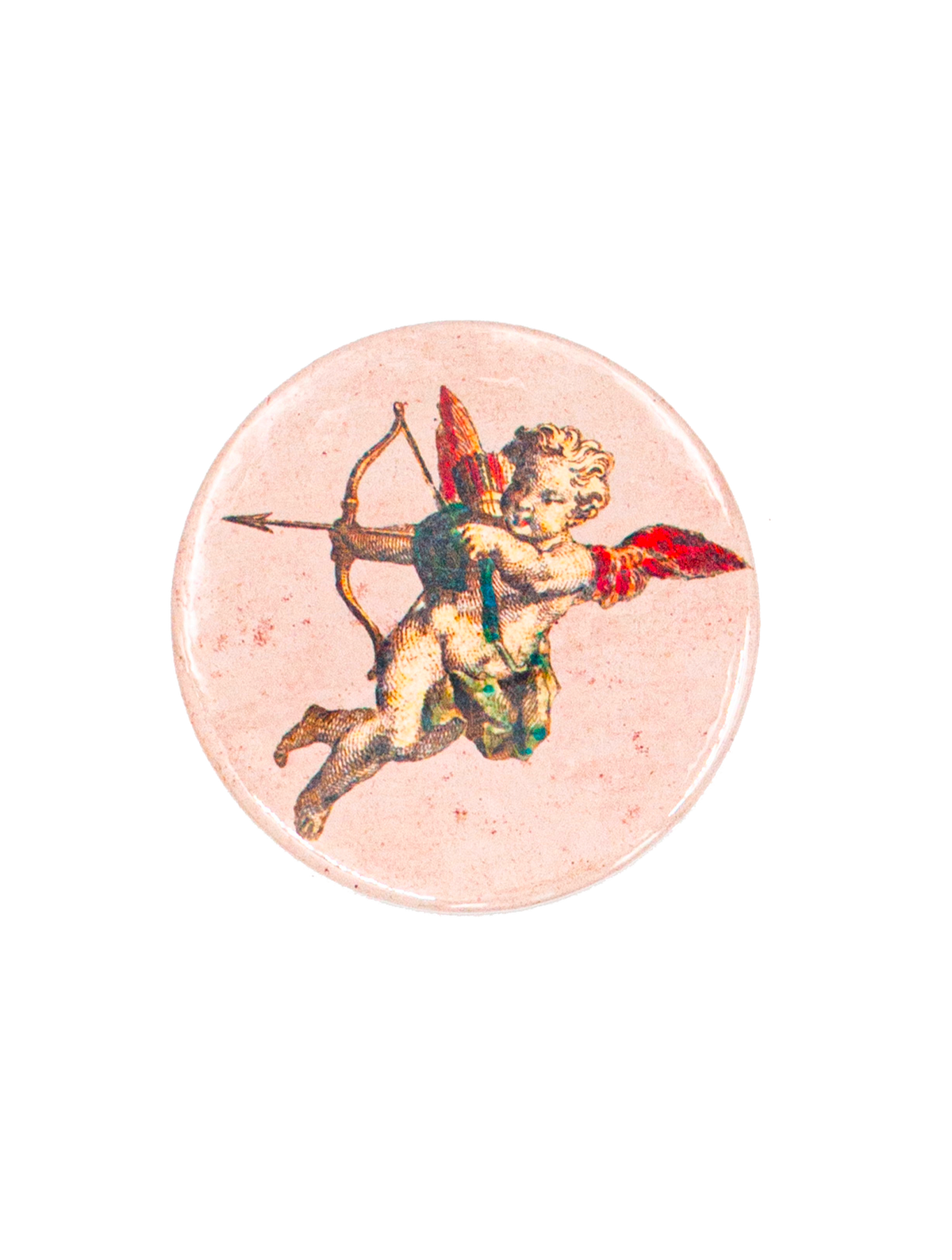
In response to the European craze for Chinese and Japanese lacquerware, Venice devised a local alternative to these time-consuming and costly imports. This gave rise to the «poor lacquer» technique: cut-out engravings were glued onto furniture and then saturated with varnish to mimic trompe-l’œil painting. Specialized workshops, such as the Remondini manufactory in Bassano, began producing ultra-fine papers designed specifically for this purpose.
Freely inspired by masters like Canaletto and Guardi, these whimsical designs adorned everything from large panels to small vanity items; figures such as ladies, cavaliers, putti, and Chinese subjects appear amidst pastoral landscapes or classical architecture.
Available online on saturday, september 25